
We’ve spent the better part of two decades behind the camera in the Bay Area, and one thing keeps happening: the companies reinventing how people move — EVs, car-sharing platforms, sensor tech — end up on our set. As a San Francisco automotive video production studio, we’ve worked with brands across the mobility spectrum, from LiDAR hardware to peer-to-peer car rentals to next-generation electric vehicles. These aren’t companies selling cars in the traditional sense. They’re selling a shift in how transportation works, and that requires video that can explain complex tech without losing the emotional story underneath it.

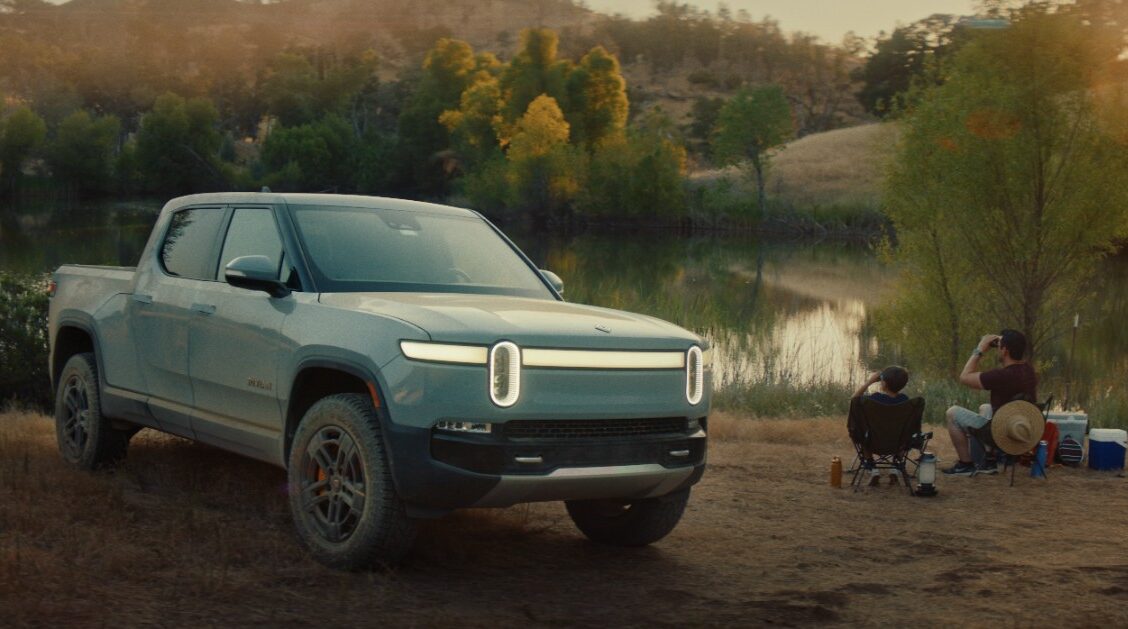
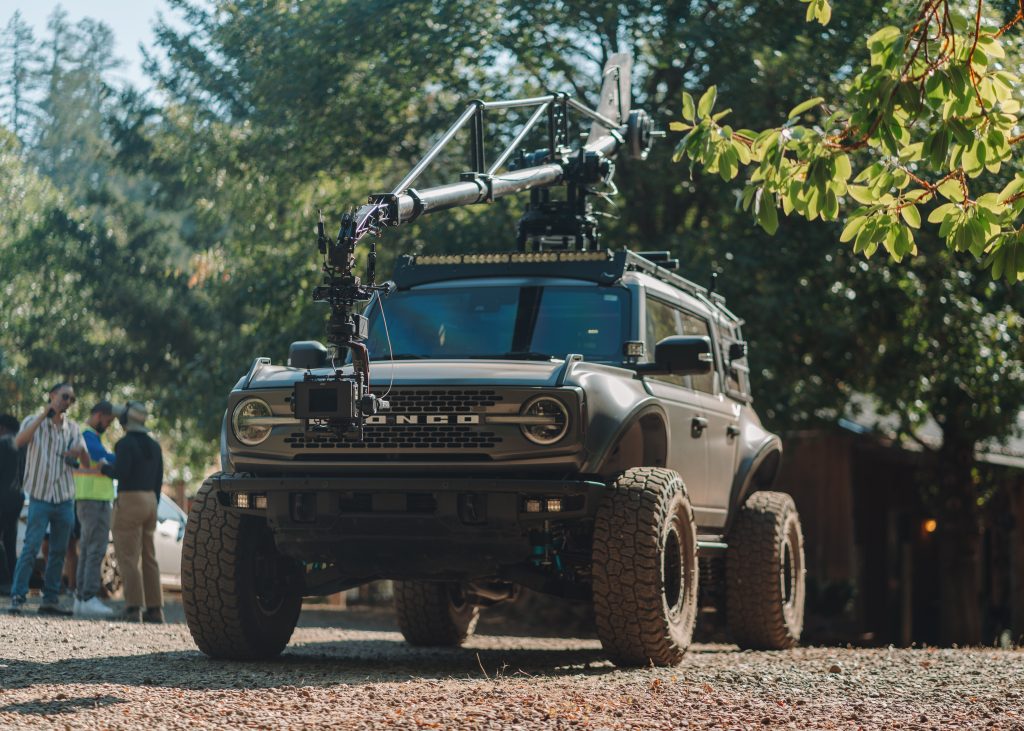
Rivian builds electric adventure vehicles, and this piece needed to feel like it belonged in that world: on-location, outdoor, kinetic. We shot footage using a Russian arm crane rig to get sweeping vehicle-in-motion shots along backcountry roads, then cut it into a short brand film built around connection and compassion rather than spec sheets.

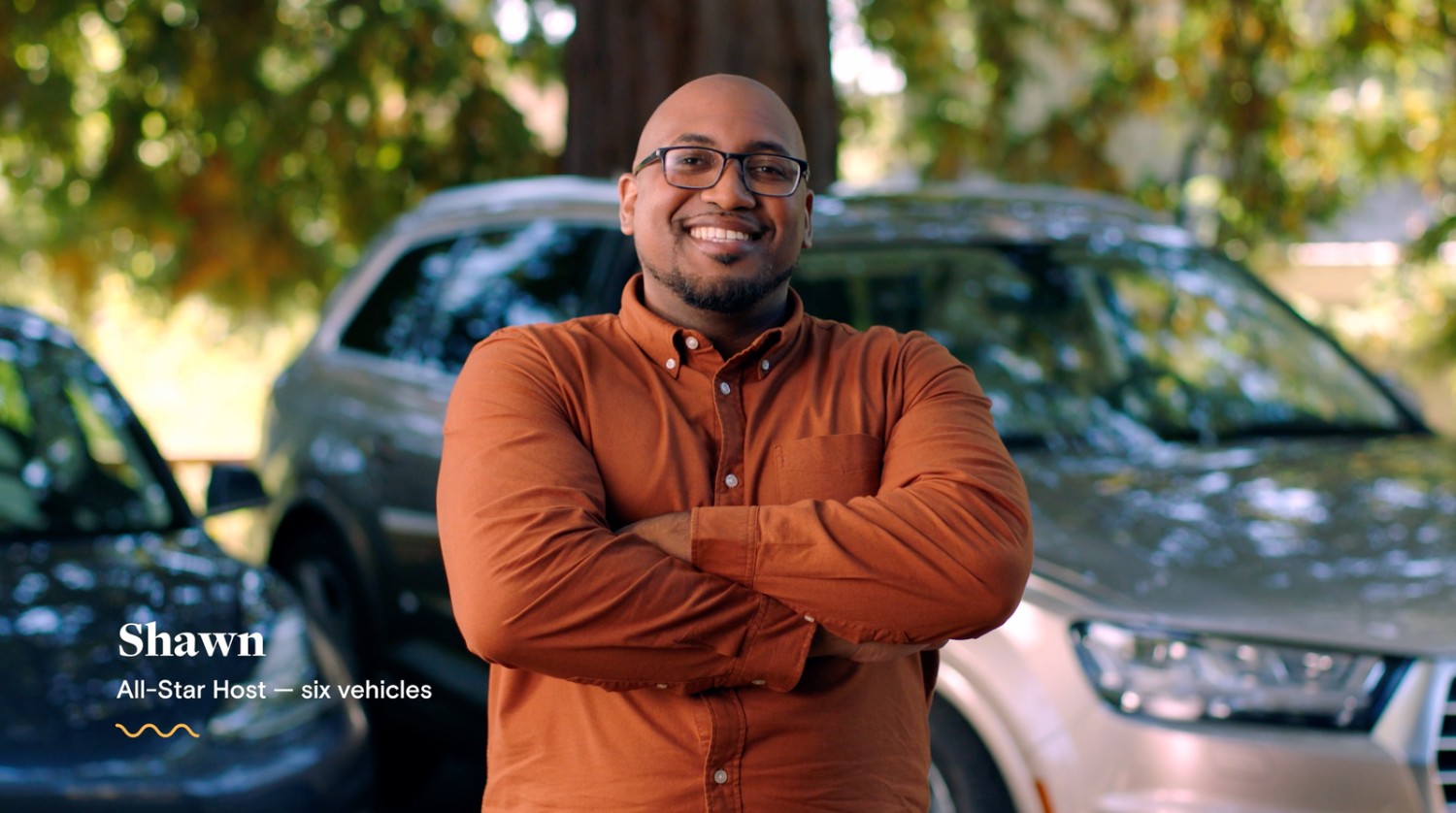
Turo is the largest peer-to-peer car-sharing platform in the country, with over 160,000 vehicles and 85,000 hosts on the app. They brought us on twice — first for a 7-video series, then a second season of 7 more — to help hosts understand how to grow and manage their fleets. Every video ran 3–7 minutes and had to carry real, usable information without feeling like a corporate training video. Deliverables included full story development, production, post, conforms, and subtitles across all 14 edits
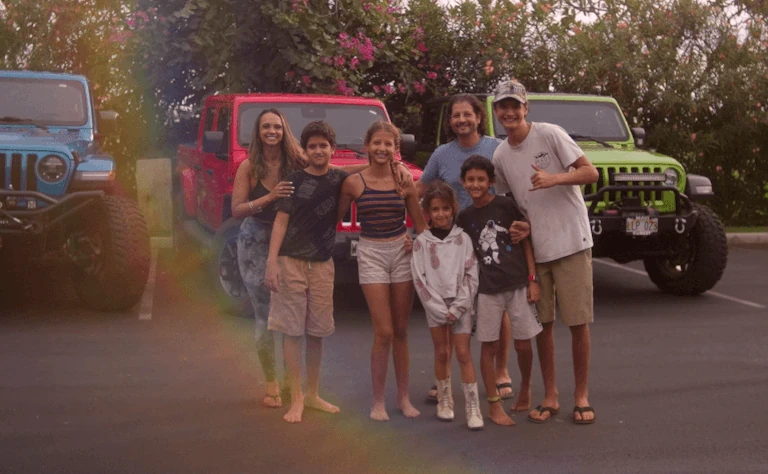
Cepton builds LiDAR sensor technology for autonomous and semi-autonomous vehicles — a product that’s genuinely hard to visualize. We built a 2-minute short film that blended real-world footage with 3D motion graphics so viewers could actually see what the sensors detect and why it matters, wrapped around an emotional use-case story rather than a spec dump. The project shipped as a 90-second main edit plus two social cuts.

Crane rigs, moving-vehicle mounts, and outdoor location logistics are part of our normal workflow, not a special request.
LiDAR, EV drivetrains, fleet logistics — none of that means anything to a viewer until it's tied to a person and a moment. That's the throughline across Cepton, Rivian, and Turo.
Turo came back for a second season of videos because the first round worked. A lot of mobility brands need an ongoing content engine (host education, product explainers, social cuts).
Car brands are part of it, but “automotive” undersells the range. We’ve produced for an EV manufacturer (Rivian), a car-sharing platform (Turo), and a LiDAR sensor company (Cepton) — the common thread is transportation technology, not necessarily cars themselves. If your product moves people or helps vehicles move smarter, it’s in our wheelhouse.
Yes. We’ve used specialty rigs like a Russian arm crane to capture vehicle-in-motion shots for Rivian, and we handle the location logistics, permitting, and safety planning that come with shooting on roads.
Usually by pairing real-world footage with motion graphics or 3D visualization, then wrapping the technical explanation in an actual use-case story instead of a features list. That’s exactly what we did for Cepton’s LiDAR explainer film.
That’s a good chunk of our automotive and mobility work. Turo brought us on for 7 videos, then came back for 7 more. We can build a repeatable production process (same crew, same post workflow) that makes multi-video series faster and more cost-efficient than starting from scratch each time.
It varies by use case. Turo’s host education videos ran 3–7 minutes each. Cepton’s brand film was a 90-second main edit with two shorter social cuts. Rivian’s piece was closer to a 1:30 short film. We’ll help you figure out the right length and cut-down strategy based on where the video is going to live (website, YouTube, paid social, etc.).
Often, yes — it’s included in several of the projects above. BTS content is useful for your own social channels and for showing prospective clients what your production process looks like.
San Francisco Video Production Company | San Francisco Film Production | Promo Videos| Kickstarter Videos | Music Videos | Narrative Films | Commercial video agency | Video studio | Filmmaking team | Conference videos | Bay area video production |Crowd funding video | Video producer | Video Editor | Videographer | Film Studio |Video crew.
