

Post-production is where raw footage becomes a polished, compelling story that captures the heart of your brand and connects with your audience.
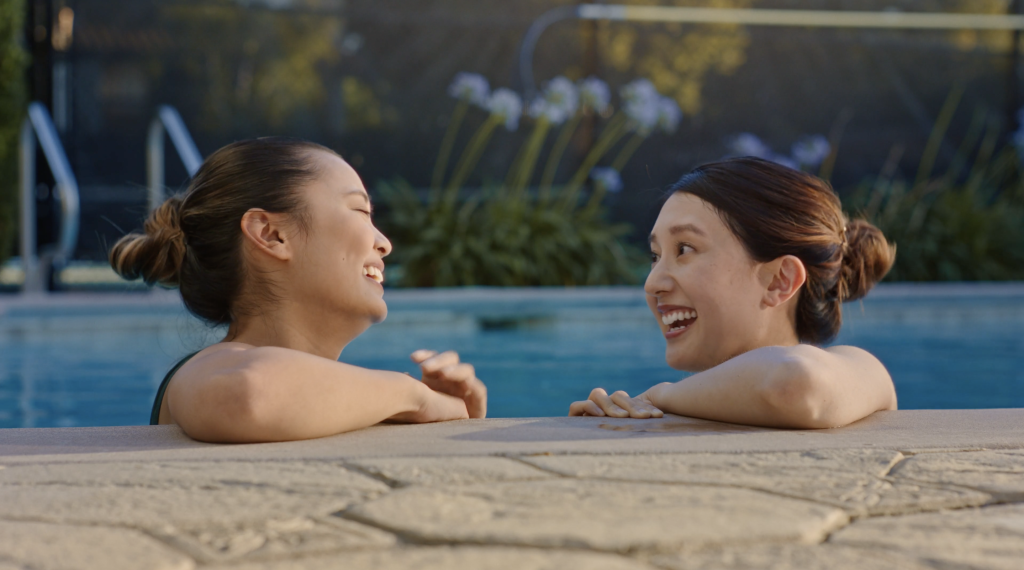
Where the Story Really Gets Made: Inside Post-Production
The last shot is in the can. The gear is packed, the crew has scattered, and the set is an empty room again. It feels like the end, but it isn’t. What you have now is raw material: hours of footage, separate audio tracks and a hard drive full of possibilities. Post-production is where those pieces get sorted, shaped and stitched into something an audience will actually feel. Here’s what happens along the way.
Editing: Finding the Story
Every edit starts with a pile of options and ends with a series of choices. The editor watches everything, from every take to every flubbed line to every happy accident, and decides what earns a place on screen. But editing isn’t just assembly. It’s rhythm. A run of quick cuts makes your pulse pick up, and a shot that holds a beat too long makes you lean in. Trim a scene by two seconds and it lands as a joke. Let it breathe and it becomes a moment. Stacked up frame by frame, those choices are what the viewer experiences as “the story.”
Sound: Half the Picture
Audiences will forgive shaky footage long before they forgive bad audio. Muffled dialogue, a hum under every line or music that drowns out the speaker is all it takes for people to click away. In post, we clean up dialogue, layer in sound effects and balance the mix so every element sits where it should. Then comes music, which may be the fastest way to tell an audience how to feel. The same shot can feel triumphant or tense depending on what’s playing underneath. The best sound work goes unnoticed, and that’s the point.
Graphics & Animation: Saying What the Camera Can’t
Some ideas don’t fit in a frame: a key statistic, a process happening inside a machine, a product feature that’s easier to show than to film. Motion graphics, animated titles and CGI fill those gaps, and they give a video a personality of its own. A well-placed graphic does more than decorate. It’s often the thing viewers remember.
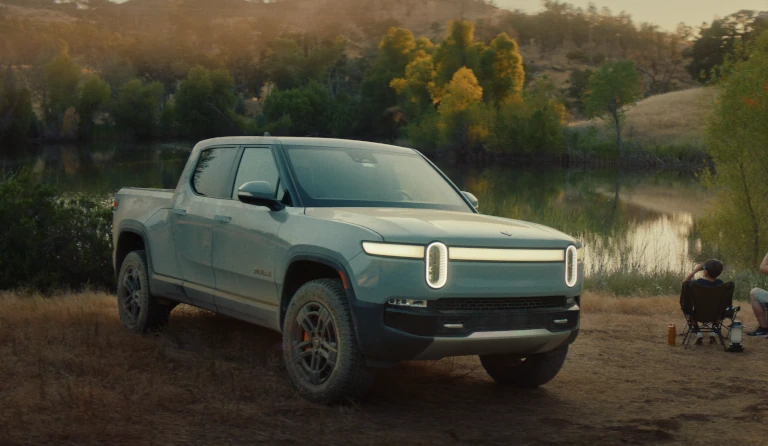
Cinematic color grading gives every frame a rich, professional look, setting the mood and creating a consistent visual identity.
Color Grading: Setting the Mood
Fixing exposure and white balance is the technical part. The creative part is deciding how the video should feel. Warm, golden tones invite you in, while cool blues and steely grays read as sleek and modern. A good grade also ties together footage shot on different days under different light, so the whole piece looks like it belongs together.
Bringing Clients Into the Room
Post is where clients watch their project take shape, and where their input counts the most. We share cuts, gather notes and refine until the pacing, visuals and message all fit the brand. The best results come from treating this as a conversation, not a sign-off.
One Shoot, Multiple Deliverables
A video rarely lives in just one place anymore. The hero edit on your homepage can also become a 15-second social cut, a vertical version for Reels and TikTok, and a text-free master you can reuse later. Planning for this from the first day of editing means one shoot keeps paying off across every channel.
The Takeaway
Production gets the behind-the-scenes photos, but post-production is where the work becomes worth watching. It’s where footage turns into story, sound and image start working together, and a brand’s message finally lands the way it was meant to. That’s why we don’t treat post as cleanup. For us, it’s where some of our best storytelling happens.
Whether you’re starting a new project or have raw footage waiting for a second life, our post-production team can turn it into polished, platform-ready content that connects with your audience and gets results. Let’s create something worth watching. Get in touch to talk about your next project!